Bloated After Every Meal? Discover the FODMAP Diet That Can Calm Your Gut
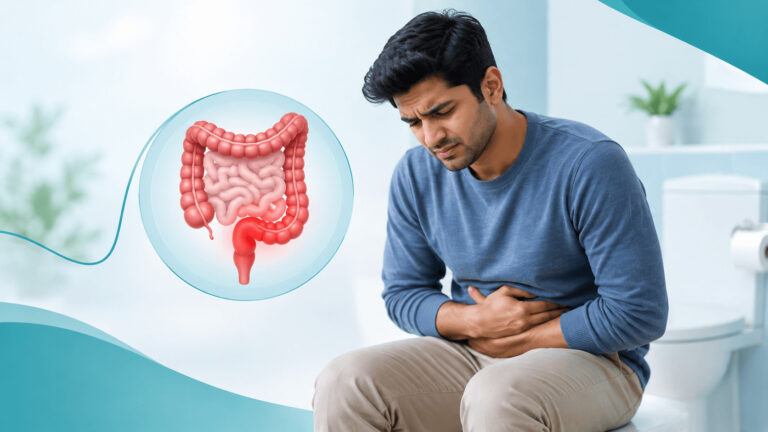
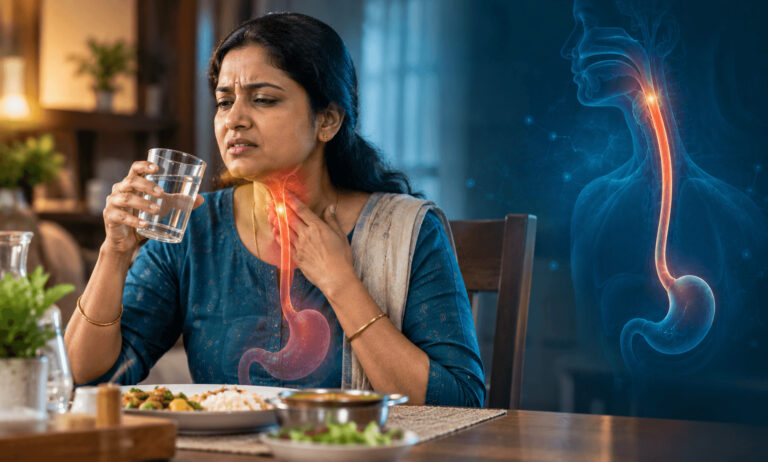
Do you often struggle with painful, visible tightness, excessive gas, or unpredictable bathroom habits right after eating? Perhaps you have noticed a heavy sensation of bloating after eating even when you are trying your best to eat clean, healthy foods. If this sounds familiar, your body might be reacting to a group of fermentable carbohydrates collectively known as FODMAPs.
Managing chronic stomach sensitivity requires more than just guessing which foods to cut out. The specialized low FODMAP diet is a clinically proven, structured dietary strategy that helps patients with Irritable Bowel Syndrome (IBS) and other functional gastrointestinal sensitivities find genuine, long-term relief.
At Apex Gastro Hospital, Ahmedabad, Dr. Yash Gangadia is a leading gastroenterologist in Ahmedabad specializing in functional GI disorders. He has helped countless patients systematically identify their unique dietary triggers and restore peace to their digestive systems.
What is the Low FODMAP Diet?
FODMAP stands for:
- Fermentable
- Oligosaccharides (found in wheat, rye, onions, and garlic)
- Disaccharides (such as lactose in dairy)
- Monosaccharides (such as excess fructose in certain fruits)
- And
- Polyols (sugar alcohols like sorbitol or mannitol found in some stone fruits and artificial sweeteners)
These represent short-chain carbohydrates and sugar alcohols that the human small intestine struggles to absorb efficiently. Because they are poorly absorbed, they travel down to the large intestine. There, your natural gut bacteria rapidly ferment them.
This fermentation process generates hydrogen gas and draws water into your bowel, which directly triggers stomach pain, visible stretching, and alternating bowel patterns.
Who Can Benefit from the FODMAP Diet in Ahmedabad?
This medical diet is not a generic ‘weight loss’ plan; it is a diagnostic tool designed for therapeutic gut healing. Under the guidance of a qualified IBS Specialist in Ahmedabad like Dr. Yash Gangadia, this approach is highly recommended for individuals experiencing:
- Irritable Bowel Syndrome (IBS): Both diarrhea-predominant (IBS-D) and constipation-predominant (IBS-C) variations.
- Chronic bloating and excessive gas: Persistent bloating after eating that does not respond to standard over-the-counter antacids or enzymes.
- Small Intestinal Bacterial Overgrowth (SIBO): Where reducing fermentable fuel helps starve bacteria in the wrong part of the digestive tract.
- Non-Celiac Gluten Sensitivity: Patients who react to wheat but have tested negative for Celiac disease (often reacting to the fructans in wheat rather than the gluten protein).
If your endoscopy and routine tests are normal, but you still feel unwell or suffer from regular post-meal pain, your symptoms are likely functional. This makes you an ideal candidate for a supervised dietary modification program.
Key Symptoms That the FODMAP Diet May Help Reduce
When implemented systematically, patients can expect a significant reduction in their daily physical distress:
- Sharp abdominal pain or discomfort
- Visible or felt bloating
- Erratic bowel patterns
- Inconsistent stool patterns
- Excessive gas and belching
- Post-meal fatigue or heaviness
The Healing Timeline: Most patients under our clinical care experience a substantial improvement in their digestive comfort and daily energy levels within 2 to 6 weeks of starting the protocol.
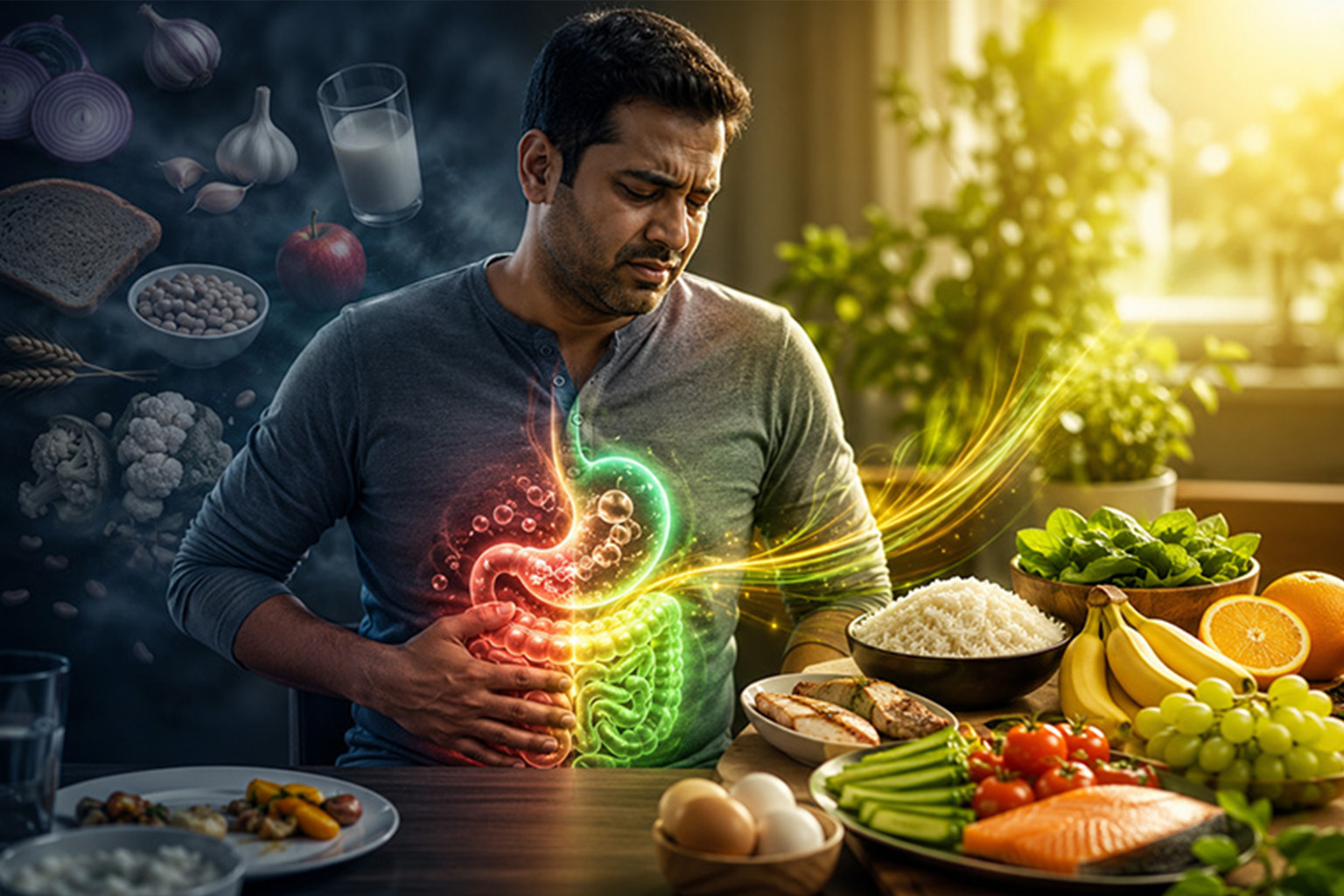
Common High-FODMAP Foods to Avoid Initially
Some everyday Indian and Western foods that may trigger symptoms:
- Wheat, maida, barley, rye
- Dairy products like milk, paneer, ice cream (due to lactose)
- Onions, garlic, cabbage, cauliflower
- Fruits like apples, watermelon, mango, chikoo
- Sugar-free mints and gums (contain sorbitol or xylitol)
- Legumes like rajma, chana, and chole
Digestive disorder specialists emphasize that these foods are not permanently off-limits. The goal is to discover which specific FODMAP groups trigger your symptoms.
The 3 Phases of the FODMAP Diet — Guided by Dr. Yash Gangadia
To heal your gut without causing long-term nutritional deficiencies, Dr. Yash Gangadia guides patients through three distinct, structured phases:
- Elimination Phase (2–6 weeks): You avoid high-FODMAP foods completely to allow your gut to heal.
- Reintroduction Phase: Dr. Gangadia will guide you in slowly reintroducing one food group at a time to pinpoint triggers.
- Personalized Diet Phase: You return to a balanced, enjoyable diet — avoiding only your personal triggers.
This approach avoids unnecessary long-term restrictions and keeps nutrition balanced.
Why You Shouldn’t Do It Without Expert Support
While it is tempting to download a generic food list online, attempting a strict low FODMAP diet without professional supervision can backfire.
Without expert guidance, patients often cut out too many foods for too long, which can starve the beneficial microbes in your gut microbiome, lead to rapid weight loss, nutritional deficiencies, food confusion, and even persistent anxiety around meals.
That’s why at Apex Gastro Hospital, Dr. Yash Gangadia works alongside experienced dietitians to:
- Help you identify triggers through structured food trials
- Customize the FODMAP approach for Gujarati and Indian food habits
- Ensure your protein, fiber, and nutrient intake remains adequate
- Provide ongoing follow-up for sustainable gut health
Is the FODMAP Diet Right for Everyone?
Low FODMAP diet is not for everyone — especially not without evaluation. It’s most useful for functionally normal guts experiencing overreaction, not for inflammatory or surgical gut issues.
Children, pregnant women, and those with eating disorders should not follow this diet without supervision.
Why Choose Dr. Yash Gangadia at Apex Gastro Hospital, Ahmedabad?
- Specialized experience in managing IBS, SIBO, and chronic bloating
- Patient-first, compassionate care model
- Personalized dietary counseling using Indian food choices
- Access to gut-focused diagnostics like hydrogen breath tests, endoscopy, and manometry
- Convenient location for patients across Ahmedabad, Gandhinagar, Mehsana, and North Gujarat
Get the Gut Relief You Deserve – with Dr. Yash Gangadia
Stop suffering from bloating, unpredictable digestion, or constant discomfort. With the FODMAP diet, Dr. Yash Gangadia can help you heal your gut and reclaim your confidence.
Call Apex Gastro Hospital at 09408662823 or book your consultation online at Dr. Yash Gangadia your trusted Liver Specialist in Ahmedabad.