Having Trouble Swallowing? It Might Be More Serious Than You Think
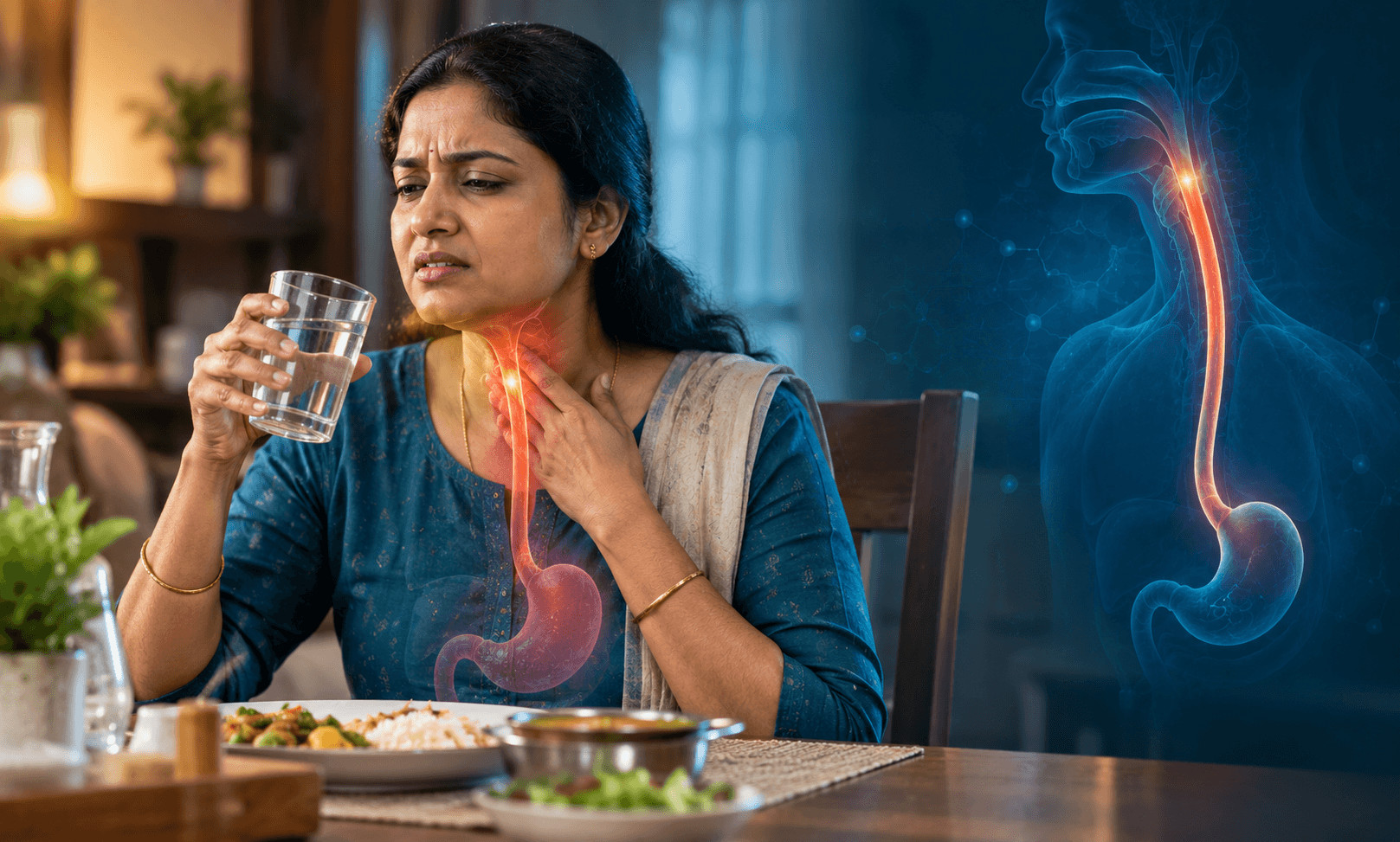
Feeling like food gets stuck in the throat or chest, needing water to force meals down, or experiencing frequent coughing and choking while eating are clear signs of an underlying medical issue. Known clinically as dysphagia, difficulty swallowing should never be ignored or dismissed as a minor inconvenience. Understanding dysphagia causes, symptoms, and warning signs are key to seek early evaluation and treatment before the condition spirals into dangerous consequences.
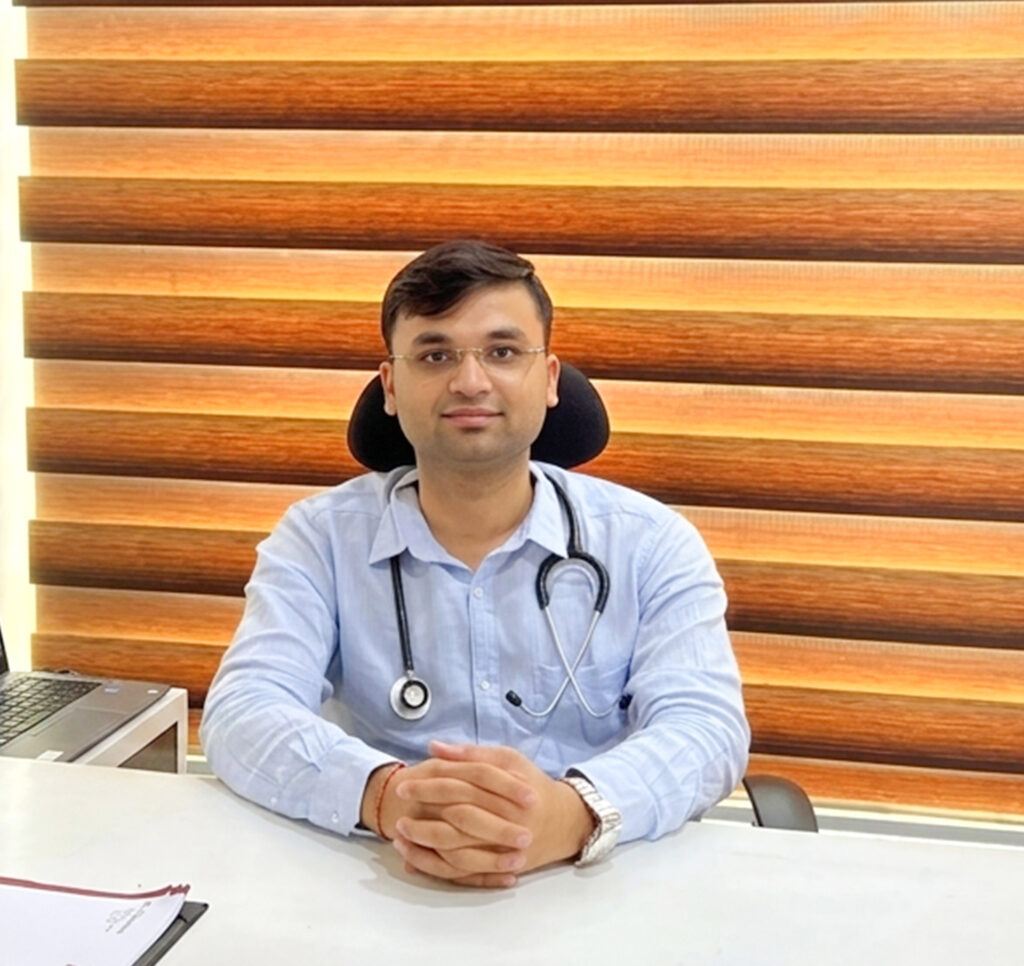
At Apex Gastro Hospital, Dr. Yash Gangadia, an experienced Gastroenterologist for dysphagia in Ahmedabad, evaluates patients using advanced endoscopic techniques to restore comfortable eating and prevent severe complications.
What Exactly is Dysphagia?
Dysphagia is the medical term for difficulty transferring food or liquid from the mouth, through the pharynx and esophagus, and into the stomach. It involves a disruption in the delicate coordination of nerves and muscles required for normal swallowing.
Gastroenterologists divide swallowing disorders into two main categories:
Oropharyngeal Dysphagia: Difficulty initiating a swallow, often accompanied by coughing, gagging, or choking as food enters the airway (commonly linked to neurological conditions).
Esophageal Dysphagia: The sensation of food getting “hung up” or stuck in the throat or chest after swallowing has begun (commonly linked to physical narrowing, inflammation, or muscle spasms in the esophagus).
Common Dysphagia Causes
Swallowing requires precise structural openness and synchronized muscle contractions. Common difficulty swallowing causes evaluated in clinical practice include:
- Acid Reflux & Strictures: Chronic gastroesophageal reflux disease (GERD) damages the esophageal lining, causing scar tissue formation and narrowing (esophageal stricture).
- Esophageal Motility Disorders: Incoordination or paralysis of esophageal muscles, such as Achalasia Cardia (failure of the lower esophageal sphincter to relax) or diffuse esophageal spasms.
- Eosinophilic Esophagitis (EoE): An allergic inflammatory condition caused by immune cells building up in the esophageal wall, leading to stiffness and food impaction.
- Esophageal Rings or Webs: Thin tissue folds that narrow the inner diameter of the food pipe.
- Structural Growths & Tumors: Benign polyps or esophageal cancer that physically block the passage of food.
- Neurological & Neuromuscular Factors: Nerve or muscle damage from stroke, Parkinson’s disease, or motor neuron conditions.
Is Your Difficulty Swallowing With Solids, Liquids, or Both?
The pattern of swallowing difficulty provides essential diagnostic clues for a specialist:
| Symptom Pattern | Primary Clinical Suspect | Key Characteristics |
| Solids Only (Progressive) | Structural Obstruction | Starts with hard foods (bread, meat) and gradually worsens over time; strongly suggests strictures, rings, or esophageal growths. |
| Solids & Liquids Simultaneously | Neuromuscular / Motility Issue | Occurs with both food and water from the onset; typically points to conditions like Achalasia, diffuse spasms, or nerve dysfunctions. |
| Intermittent / Sudden | Inflammatory or Spastic | Comes and goes unpredictably; often associated with severe acid reflux, esophageal spasms, or Eosinophilic Esophagitis (EoE). |
Dysphagia Symptoms & Warning Signs
Recognizing early dysphagia symptoms allows for prompt medical intervention before malnutrition or airway complications develop.
Key Dysphagia Symptoms to Watch For
- Sensation of food or liquid sticking in the chest or throat behind the sternum.
- Painful swallowing (odynophagia) or burning chest discomfort.
- Regurgitation of undigested food or sour fluid back into the mouth.
- Frequent coughing, throat clearing, or choking while eating or drinking.
- Involuntary, unexplained weight loss due to fear of eating or reduced intake.
- Recurrent chest infections or pneumonia caused by small amounts of food entering the lungs (aspiration).
When is Dysphagia an Emergency?
While all swallowing difficulties require medical evaluation, certain acute situations demand immediate emergency care at an endoscopy centre:
- Complete Food Impaction: Total inability to swallow food, saliva, or liquids, causing continuous drooling.
- Airway Compromise: Sudden choking, persistent coughing, severe shortness of breath, or blue discoloration of lips while eating.
- Severe Chest Pain: Intense, radiating chest pain that accompanies swallowing and does not resolve.
- Vomiting Blood: Presence of red blood or dark, coffee-ground material in vomit.
How Is Dysphagia Diagnosed?
Accurately identifying the root cause of swallowing difficulty requires advanced diagnostic evaluation:
- Upper GI Endoscopy (OGD Scopy): Direct visual examination of the esophagus using a thin HD camera to detect inflammation, ulcers, strictures, or growths, with biopsy capabilities.
- Esophageal Manometry in Ahmedabad: Advanced high-resolution manometry testing available at Apex Gastro Hospital that measures muscle pressure and wave contractions in the esophagus to diagnose motility disorders like Achalasia.
- Barium Swallow / X-ray Imaging: Radiographic examination where the patient swallows a contrast solution to outline the structure and contours of the food pipe on X-ray.
- Blood & Metabolic Testing: Blood tests to evaluate systemic inflammation, nutritional markers, or allergic responses.
“Swallowing problems may seem minor — but they can hide major issues. Early endoscopy gives answers before it’s too late.”
How is Dysphagia Treated?
Effective difficulty swallowing treatment depends entirely on the underlying cause diagnosed during testing:
- Medical Management: Acid-suppressive medications (PPIs) for GERD-related strictures, topical steroids for Eosinophilic Esophagitis, or muscle relaxants for esophageal spasms.
- Endoscopic Dilation: Gentle balloon inflation performed during a routine endoscopy to widen narrowed esophageal strictures or rings.
- Advanced Endoscopic Procedures: Non-surgical endoscopic therapies (such as POEM – Peroral Endoscopic Myotomy or Pneumatic Dilation) for treating Achalasia Cardia.
- Foreign Body / Impaction Removal: Emergency endoscopic retrieval of stuck food boluses or foreign objects.
- Targeted Nutritional Guidance: Dietary modification plans to ensure safe liquid/solid textures and adequate calorie intake during recovery.
Why Patients Trust Dr. Yash Gangadia for Dysphagia Care
- Advanced GI Endoscopy Focus: Specialized training in diagnostic and therapeutic upper GI endoscopy and motility evaluations.
- High-Resolution Diagnostic Facilities: In-house access to high-definition endoscopy suites and specialized Esophageal Manometry in Ahmedabad.
- Comprehensive Treatment Capabilities: Experienced in managing structural, inflammatory, and complex muscle-related swallowing disorders.
- Safety-First Patient Management: Gentle sedation protocols, minimal procedure discomfort, and clear step-by-step patient guidance.
Don’t Suffer Silently…Restore Comfort to Your Daily Meals
Eating should never be accompanied by pain, fear, or discomfort. Early evaluation ensures that swallowing disorders are diagnosed accurately and managed effectively before complications arise.
Consult Dr. Yash Gangadia at Apex Gastro Hospital, Ahmedabad for evidence-based, compassionate dysphagia treatment in Ahmedabad.
Call: +91 9408662823 or Book an Appointment Online