
Why You Can’t ‘Go’ Daily: Expert Insights on Chronic Constipation
Not being able to pass motions regularly is a frustrating, uncomfortable, and often disruptive issue that affects daily life. While many individuals rely on temporary home remedies or over-the-counter laxatives, persistent difficulty passing stool is a clear signal that the digestive tract is out of sync. Seeking specialized chronic constipation treatment ensures that underlying motility issues or structural blockages are identified and treated at the source.
At Apex Gastro Hospital, Ahmedabad, Dr. Yash Gangadia, an experienced Gastroenterologist for constipation in Ahmedabad, regularly evaluates patients suffering from long-term bowel irregularities. Through comprehensive diagnostic testing, medical management focuses on restoring normal gut motility and providing lasting relief.
How Often Should You Actually Have a Bowel Movement?
A common misconception is that every individual must pass stool precisely once a day. In gastroenterology, normal bowel frequency ranges anywhere from three times a day to three times a week, provided the stool is soft, easy to pass, and passed without straining.
Regularity depends on individual metabolism, diet, hydration, and physical activity. However, if bowel movements occur fewer than three times a week, or if passing stool requires significant effort, it indicates sluggish colonic transit or pelvic floor dysfunction that warrants medical attention.
What Is Chronic Constipation?
Chronic constipation is more than just an occasional delay in going to the bathroom. It is defined as a persistent difficulty in passing stool that lasts for several weeks or months.
Key Constipation Symptoms
Individuals dealing with chronic bowel irregularity frequently experience:
- Passing fewer than three bowel movements per week.
- Excessive straining or discomfort during bowel movements.
- Hard, lumpy, or dry stools that are difficult to evacuate.
- A persistent sensation of incomplete evacuation (feeling as though the bowel hasn’t completely emptied).
- Abdominal bloating, heaviness, and mild cramping.
It’s incredibly common in both young professionals and elderly individuals, especially when lifestyle, diet, or medication disrupt gut balance.
Common Chronic Constipation Causes
Identifying the precise cause of bowel sluggishness is essential for successful treatment. During clinical evaluations at Apex Gastro Hospital, common chronic constipation causes include:
- Dietary Factors & Dehydration: Inadequate dietary fiber intake combined with low fluid consumption slows intestinal transit time.
- Irritable Bowel Syndrome (IBS-C): Constipation-predominant IBS involves heightened gut sensitivity and irregular muscle contractions in the colon.
- Pelvic Floor Dysfunction: Incoordination of the pelvic floor muscles (dyssynergic defecation), where muscles tighten instead of relaxing during a bowel movement.
- Slow-Transit Constipation: Sluggish nerve or muscle activity within the colon wall that delays the movement of stool.
- Metabolic & Hormonal Imbalances: Underlying health conditions like hypothyroidism, diabetes, or elevated calcium levels that slow down bodily processes.
- Medication-Induced Constipation: Regular use of certain daily medications, including iron supplements, calcium channel blockers, painkillers, or antacids.
Simple Habits That Can Help Relieve Constipation
For mild or occasional irregularity, adopting targeted dietary and lifestyle habits can help stimulate bowel activity:
- Increase Dietary Fiber Intake: Gradually add soluble and insoluble fiber such as whole grains, legumes, oats, flaxseeds, fruits, and vegetables to add bulk to stool.
- Maintain Hydration: Drink 2.5 to 3 liters of water daily. Warm fluids in the morning can naturally trigger the gastrocolic reflex.
- Never Ignore the Urge: Respond promptly to bodily cues to pass motion. Delaying bowel movements causes the colon to absorb more water from stool, making it harder and dry.
- Optimize Toilet Posture: Use a footstool (squatting posture) while seated on the toilet to elevate the knees above the hips. This straightens the rectum and allows stool to pass with less effort.
- Stay Physically Active: Engaging in 30 minutes of daily moderate exercise, such as brisk walking, stimulates natural intestinal contractions.
When Is Constipation a Warning Sign?
While most bowel irregularities are tied to lifestyle or motility factors, sudden or severe changes can indicate a more serious underlying GI issue.
Red-Flag Symptoms Requiring Immediate Specialist Evaluation
Consulting a specialist for constipation treatment in Ahmedabad is strongly advised if bowel issues are accompanied by any of the following warning signs:
- Onset of severe constipation after age 50 without prior history.
- Rectal bleeding, blood in the stool, or dark, tarry stools.
- Unexplained, unintentional weight loss or severe loss of appetite.
- Persistent, severe abdominal pain, vomiting, or inability to pass gas.
- Constipation alternating with sudden bouts of watery diarrhea.
- A family history of colorectal cancer or inflammatory bowel disease (IBD).
These warning signs require clinical investigation to rule out structural conditions like colonic polyps, strictures, or bowel obstruction.
Comprehensive Diagnosis at Apex Gastro Hospital
| Diagnostic Test | Clinical Purpose & Utility |
| Colonoscopy | Visualizes the entire inner lining of the large intestine to rule out structural blockages, inflammation, or polyps. |
| Anorectal Manometry | Evaluates the strength and coordination of anal sphincter muscles and tests for pelvic floor dyssynergia. |
| Colonic Transit Time Studies | Tracks how efficiently stool moves through the large intestine to diagnose slow-transit constipation. |
| Metabolic Blood Panels | Checks thyroid function (TSH), blood sugar control, and electrolyte levels to identify systemic causes. |
Strategies That Work: Expert Constipation Treatment in Ahmedabad
Effective treatment goes beyond temporary laxatives. At Apex Gastro Hospital, customized care plans provide safe, long-term management:
- Targeted Medical Therapy: Prescription of modern, non-habit-forming osmotic agents or prokinetic medications that gently improve stool consistency and bowel motility.
- IBS-C Management: Dedicated protocols for IBS-C treatment in Ahmedabad, combining gut-directed therapies, dietary adjustments (such as low-FODMAP guidance), and antispasmodics.
- Pelvic Floor Biofeedback Therapy: Specialized neuromuscular retraining for patients with pelvic floor dyssynergia to help relax defecation muscles.
- Structured Nutritional Guidance: Tailored dietary plans designed to optimize fiber and fluid intake without causing excessive gas or bloating.
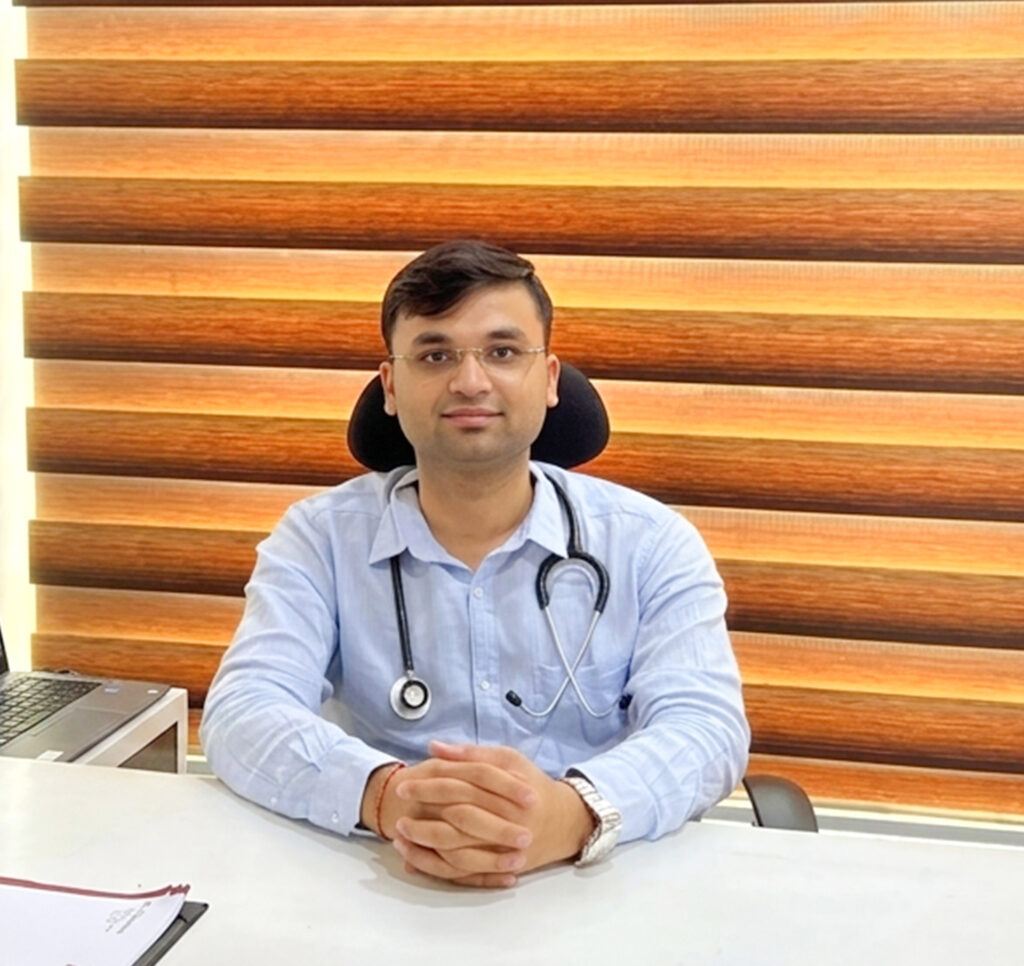
“Constipation affects your mood, energy, and quality of life. You don’t need to live with it. The right diagnosis leads to the right solution — and we’re here to help you every step of the way.”
Why Patients Trust Dr. Yash Gangadia for Constipation Care
Root-Cause Focus: Investigates whether symptoms stem from motility, pelvic floor, or structural issues rather than prescribing quick fixes.
Advanced GI Diagnostics: In-house access to high-definition colonoscopy, motility testing, and metabolic evaluation facilities.
Comprehensive IBS-C Expertise: Specialized care protocols designed to manage chronic bloating, abdominal pain, and bowel irregularity simultaneously.
Safe, Long-Term Management: Focuses on restoring natural bowel function through non-habit-forming therapies and personalized patient education.
Take Control of Your Liver Health Today
Living with chronic constipation is unnecessary. With the right diagnostic approach and medical guidance, healthy, effortless bowel function can be restored.
Book your appointment today with Dr. Yash Gangadia at Apex Gastro Hospital, Ahmedabad — your trusted expert in digestive, liver & obesity care.
Call: +91 9408662823 or Book an Appointment Online