
Burning in the Chest? It Could Be A GERD Symptom
By Dr. Yash Gangadia — Gastroenterologist, Hepatologist & GI Endoscopist, Apex Gastro Hospital, Ahmedabad
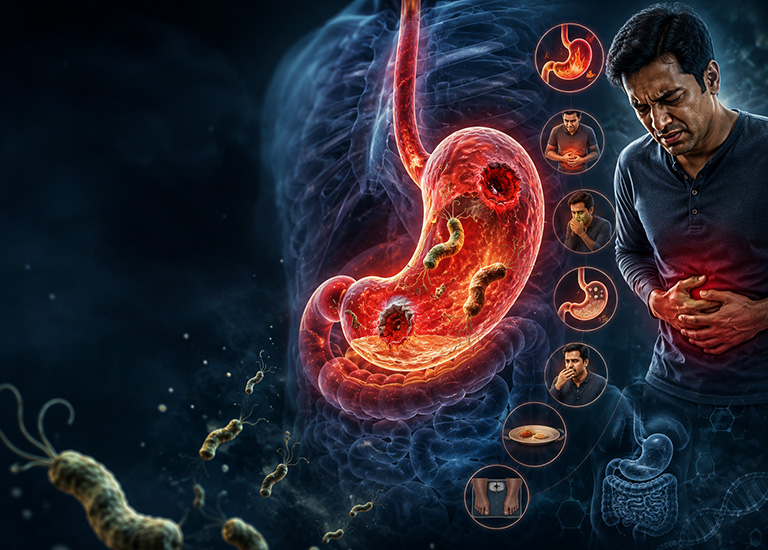
Occasional heartburn after a heavy or spicy meal is a common experience, but when burning sensations in the chest become a recurring problem, it is rarely just ‘simple acidity’. Persistent acid reflux that occurs multiple times a week often a GERD symptom. GERD or Gastroesophageal Reflux Disease is a chronic digestive disorder that can damage the delicate lining of the esophagus if ignored.
Dr. Yash Gangadia, an experienced Gastroenterologist for acidity in Ahmedabad serving at Apex Gastro Hospital, notes that seeking early evaluation and treatment for GERD ensures that structural weaknesses in the digestive tract, such as a relaxed muscular valve or hiatal hernia, are identified and treated early.
What is GERD?
Gastroesophageal Reflux Disease (GERD) is a chronic condition where stomach acid, digestive enzymes, and occasionally bile flow backward into the esophagus. Under normal conditions, a circular ring of muscle at the bottom of the food pipe – the lower esophageal sphincter (LES) – acts as a one-way valve, opening to allow swallowed food into the stomach and closing immediately after.
When the LES weakens or relaxes inappropriately, acidic stomach contents surge upward into the esophageal canal. Unlike the stomach, which has a thick mucosal lining designed to withstand harsh hydrochloric acid, the esophagus is vulnerable to chemical irritation, chronic inflammation (esophagitis), and ulceration.
GERD vs. Occasional Acidity
Understanding the clinical distinction between occasional acid reflux and chronic GERD helps patients seek appropriate GERD diagnosis and treatment.
| Feature | Occasional Acidity | Gastroesophageal Reflux Disease (GERD) |
| Frequency | Infrequent; occurs after specific heavy, spicy, or late-night meals. | Chronic; occurs more than twice a week for several consecutive weeks. |
| Symptom Duration | Resolves quickly with simple antacids or natural digestion. | Persists despite daily over-the-counter medication use. |
| Tissue Impact | Temporary mucosal irritation without structural changes. | Chronic inflammation, erosion, strictures, or precancerous changes (Barrett’s esophagus). |
| Primary Mechanism | Transient high stomach acid volume or delayed gastric emptying. | Anatomical dysfunction or permanent weakness of the Lower Esophageal Sphincter (LES). |
Common GERD Symptoms
While heartburn is the hallmark sign, GERD presents with a wide spectrum of esophageal and extra-esophageal signs.
Here are the common GERD symptoms
- Classic Heartburn: A painful, burning sensation located behind the breastbone (sternum) that typically worsens after eating, while lying down, or when bending over.
- Sour Regurgitation: Unprovoked reflux of sour, bitter fluid or partially digested food back into the throat or mouth.
- Difficulty Swallowing (Dysphagia): A sensation of food catching or sticking in the chest, indicating potential narrowing (esophageal stricture) or severe mucosal swelling.
- Feeling of a Lump in the Throat (Globus Sensation): Constant, non-painful tightness or lump sensation in the throat caused by persistent acid irritation.
- Chronic Throat Symptoms: A persistent dry cough, morning hoarseness, frequent throat clearing, or worsening underlying asthma due to microscopic acid vapor reaching the vocal cords (Laryngopharyngeal Reflux or LPR).
- Sleep Disturbances: Awakening at night choking, coughing, or experiencing severe retrosternal burning due to nighttime acid pooling.
When Is Chest Burning a Medical Emergency?
Chest discomfort caused by acid reflux can closely mimic the pain of a heart attack (myocardial infarction). It is vital never to assume severe chest pain is merely gas.
Warning Signs Requiring Emergency Evaluation
Seek immediate emergency medical attention if chest burning is accompanied by:
- Sharp, squeezing, or crushing pressure radiating to the left arm, shoulder, jaw, neck, or back.
- Sudden shortness of breath, cold sweats, dizziness, or light-headedness.
- Difficulty swallowing liquids, accompanied by sudden vomiting of blood or dark, coffee-ground material.
- Black, tarry bowel movements (melena), which signal internal upper GI bleeding.
What are GERD Causes?
Several lifestyle and medical factors can lead to GERD. Identifying specific risk factors allows a specialist to tailor an effective acid reflux treatment in Ahmedabad or wherever you are.
Key GERD causes include:
Hiatal Hernia: A structural defect where the upper portion of the stomach pushes upward through the diaphragm into the chest cavity, disrupting the natural sphincter mechanism.
Obesity & Excess Abdominal Fat: Increased intra-abdominal pressure physically squeezes the stomach, forcing acidic contents upward past the LES.
Dietary & Lifestyle Triggers: High intake of deep-fried, oily, or highly seasoned foods, carbonated beverages, caffeine, chocolate, citrus fruits, and eating large meals within 2–3 hours of sleep.
Smoking & Alcohol Consumption: Nicotine and alcohol directly relax the smooth muscle tissue of the lower esophageal sphincter while impairing salivary acid-clearing mechanisms.
Pregnancy: Elevated progesterone levels relax sphincter muscles, while the expanding uterus increases mechanical pressure on the stomach.
Medication Side Effects: Chronic use of nonsteroidal anti-inflammatory drugs (NSAIDs), certain blood pressure medications, sedatives, or muscle relaxants.
GERD Diagnosis and Treatment Protocols
Accurately evaluating GERD severity requires specialized clinical investigations rather than continuous self-medication.
Diagnostic Tests Performed at Apex Gastro Hospital
- Upper GI Endoscopy (OGD Scopy): Direct visualization of the esophageal lining using an HD camera to assess the degree of inflammation, detect ulcers, identify hiatal hernias, and biopsy suspicious tissue (ruling out Barrett’s Esophagus).
- High-Resolution Esophageal Manometry: Measures esophageal muscle coordination and lower esophageal sphincter resting pressure to rule out motility disorders.
- 24-Hour Ambulatory pH Monitoring: The gold standard test for measuring exact acid reflux frequency, duration, and symptom correlation over a full 24-hour period.
Evidence-Based GERD Management Strategies
Effective chronic acidity treatment in Ahmedabad at Apex Hospital combines medical therapy, precise lifestyle modifications, and, when appropriate, endoscopic or surgical anti-reflux therapies.
1. Structured Lifestyle Modifications
- Elevate the Head of the Bed: Raise the head of your bed by 6–8 inches using blocks or a specialized wedge pillow (extra standard pillows elevate only the neck, which increases abdominal pressure).
- Observe the 3-Hour Rule: Avoid lying down, sleeping, or engaging in strenuous exercise within 3 hours after completing a meal.
- Manage Portion Sizes: Eat smaller, more frequent meals to prevent over-distension of the stomach.
- Eliminate Personal Triggers: Temporarily eliminate known dietary triggers (spicy curries, fried snacks, raw onions, tea, coffee) and reintroduce them systematically under nutritional guidance.
2. Pharmacological Therapy
- Proton Pump Inhibitors (PPIs): First-line prescription medications that significantly reduce stomach acid production, allowing inflamed esophageal tissue to heal.
- H2 Receptor Blockers & Antacids: Used for rapid, temporary neutralization of stomach acid or maintenance therapy in mild cases.
- Prokinetic Agents: Prescribed to enhance gastric emptying speed and increase sphincter tone in select patients with delayed stomach motility.
3. Endoscopic & Surgical Options
For patients who wish to avoid lifelong medication, or those with severe structural defects like large hiatal hernias, specialized anti-reflux procedures, such as laparoscopic fundoplication or endoscopic anti-reflux therapy, can restore lower esophageal sphincter function.
What Should You Do If Acidity Persists Despite Medication?
Relying indefinitely on over-the-counter antacids or daily acid suppressants can mask progressive esophageal injury. If symptoms continue despite daily medication, it typically indicates:
- An incorrect diagnosis (e.g., non-acid reflux, esophageal motility disorder, or functional heartburn).
- Non-compliance with medication timing (PPIs must generally be taken 30–60 minutes before the first meal of the day).
- Unaddressed structural issues like a large hiatal hernia or severe sphincter incompetence.
A comprehensive evaluation at an advanced gastroenterology centre near you is necessary to re-assess esophageal function and adjust treatment protocols.
When to See a Gastroenterologist for Acidity?
You should seek expert help if:
- Your symptoms persist despite taking over-the-counter antacids
- You’re dependent on acid-suppressing medications for months
- You feel food is getting stuck while swallowing
- You’ve experienced unexplained weight loss or chest pain
Why Choose Dr. Yash Gangadia at Apex Gastro Hospital?
Dedicated Gastroenterology Expertise: Led by Dr. Yash Gangadia, a trained Gastroenterologist in Ahmedabad specializing in complex acid reflux disorders.
Advanced Diagnostic Suite: In-house access to high-definition upper GI endoscopy, high-resolution esophageal manometry, and metabolic diagnostic facilities.
Tailored, Long-Term Treatment: Focuses on underlying root causes—such as gut motility, obesity, and sphincter function—rather than temporary symptom relief.
Comprehensive Regional Care: Trusted gastroenterology services for patients across Ahmedabad, Gandhinagar, Mehsana, and North Gujarat.
Stop Suffering in Silence…Treat GERD the Right Way
Living with daily burning, bitter regurgitation, and disrupted sleep is unnecessary. With accurate diagnostic testing and expert medical care, normal esophageal health can be restored.
Long-term, sustainable relief is possible!
Book your appointment today with Dr. Yash Gangadia at Apex Gastro Hospital, Ahmedabad — your trusted expert in digestive care.