Upper Stomach Pain After Meals? Signs, Causes & Gallstones Treatment in Ahmedabad
By Dr. Yash Gangadia — Gastroenterologist, Hepatologist & Advanced GI Endoscopist, Apex Gastro Hospital, Ahmedabad
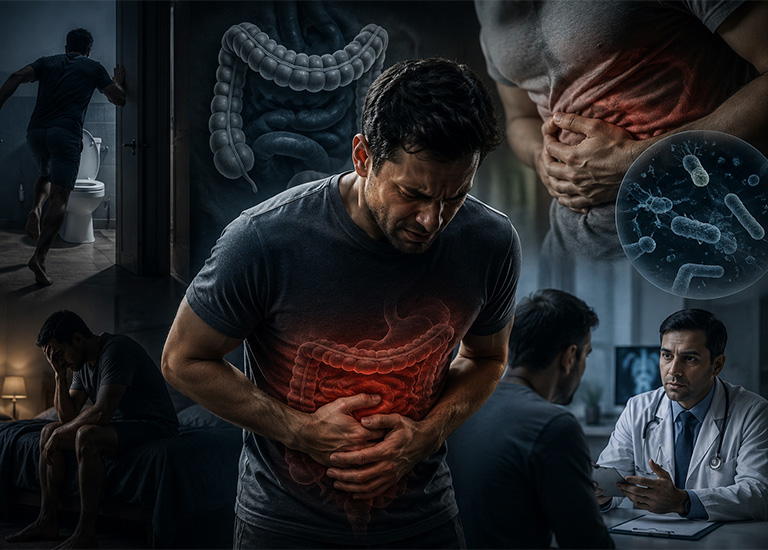
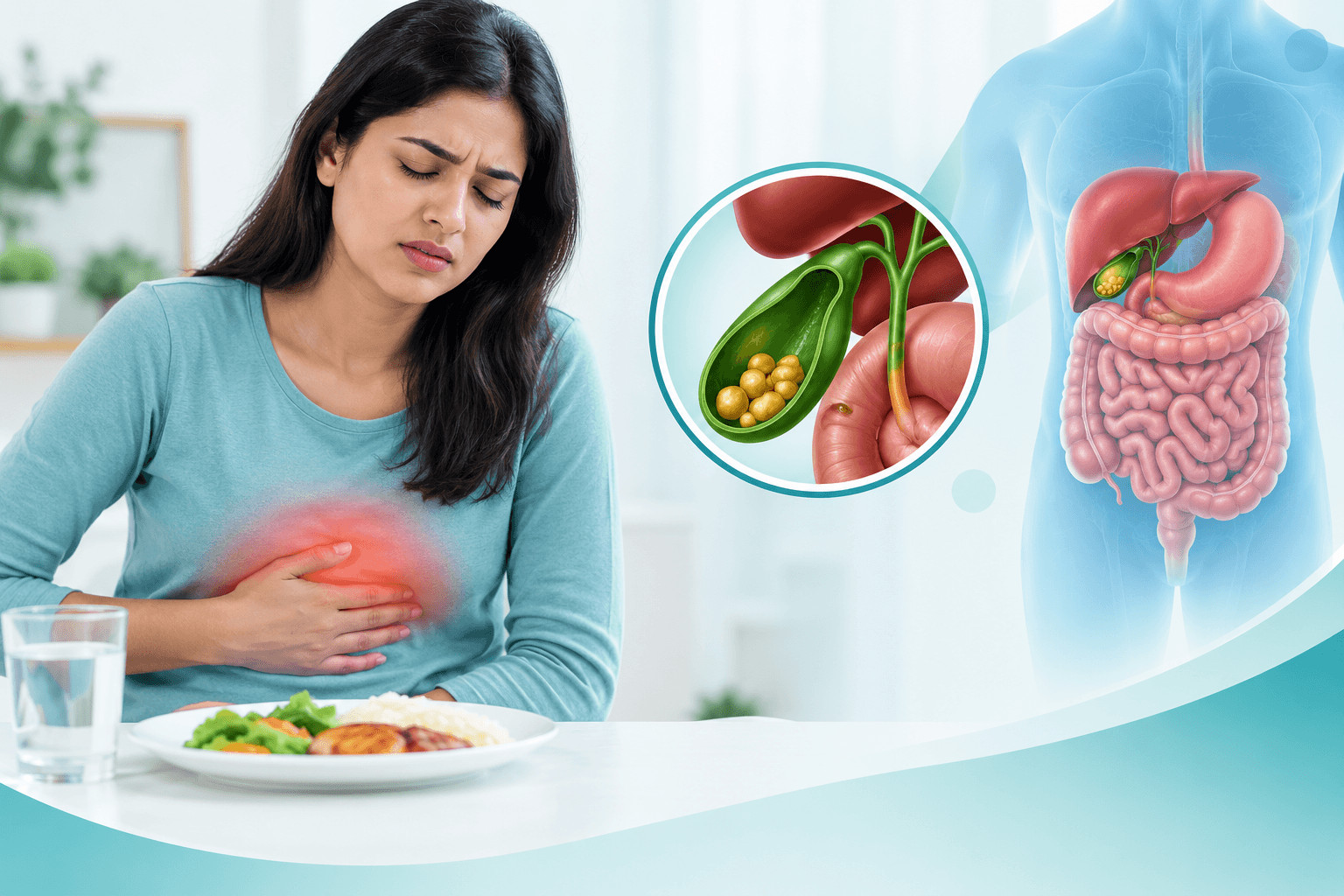
Sharp, sudden pain in the upper abdomen after enjoying a heavy or oily meal is a scenario many individuals in Gujarat experience. While often mistaken for acidity, gas, or routine indigestion, persistent pain beneath the right rib cage is frequently caused by gallstones (cholelithiasis). Understanding gallstones symptoms and knowing when to seek clinical evaluation is crucial for preventing severe digestive complications.
Dr. Yash Gangadia, trusted Gastroenterologist in Ahmedabad at Apex Gastro Hospital, offers specialized diagnostic evaluations and comprehensive management options, including minimally invasive endoscopic care, for gallbladder and bile duct conditions.
What Are Gallstones?
Gallstones are hardened deposits of digestive fluid that form within the gallbladder—a small, pear-shaped organ located beneath the liver that stores and concentrates bile. Bile is an essential fluid produced by the liver to break down fats during digestion.
Gallstones develop when chemical imbalances in bile cause solid crystals to precipitate and gradually aggregate into stones. These stones can range from as small as a grain of sand to the size of a golf ball.
The Two Primary Types of Gallstones
- Cholesterol Stones: The most common type (accounting for ~80% of cases), yellow-green in color, formed when bile contains excess cholesterol that cannot be dissolved by bile salts.
- Pigment Stones: Smaller, dark brown or black stones formed when bile contains excess bilirubin, often seen in individuals with liver cirrhosis, biliary tract infections, or chronic blood disorders.
Why Do Gallstones Form?
Gallstones are especially common in cities like Ahmedabad where oily, spicy diets are frequent. Identifying gallstones causes helps high-risk individuals adopt preventive measures before stones develop or cause severe blockages.
Key Risk Factors
- High-Cholesterol & Low-Fiber Diets: Regular consumption of oily, deep-fried, or heavily processed foods increases cholesterol secretion into bile.
- Obesity & Rapid Weight Loss: Being overweight increases cholesterol saturation in bile. Conversely, rapid weight loss (from extreme fasting or crash diets) causes the liver to secrete extra cholesterol while reducing gallbladder contractions.
- Sluggish Gallbladder Emptying: When the gallbladder fails to contract fully or empty regularly, bile becomes overly concentrated, facilitating stone formation.
- Hormonal Influence: Elevated estrogen levels—due to pregnancy, hormone replacement therapy, or oral contraceptives—increase biliary cholesterol levels.
- Underlying Metabolic Conditions: Conditions such as Type 2 diabetes, metabolic syndrome, fatty liver disease, or chronic liver conditions elevate risk factors.
Common Gallstones Symptoms
Many individuals carry ‘silent’ gallstones without experiencing discomfort. However, when a stone moves and temporarily blocks the flow of bile out of the gallbladder, it triggers a painful episode known as biliary colic.
Common gallstone symptoms include:
- Pain in the upper right abdomen
- Nausea or vomiting
- Gas, bloating, or indigestion
- Yellowing of the skin or eyes (jaundice)
- Fever and chills (in case of infection)
Gallbladder Stones vs Bile Duct Stones
Understanding the exact anatomical location of a stone is essential for determining the correct medical treatment path:
| Feature | Gallbladder Stones (Cholelithiasis) | Bile Duct Stones (Choledocholithiasis) |
| Location | Stones remain inside the gallbladder reservoir. | Stones migrate into or form within the common bile duct (CBD). |
| Primary Risk | Intermittent biliary pain, localized gallbladder inflammation (cholecystitis). | Blocks bile flow from liver/pancreas; high risk of jaundice, infection, or pancreatitis. |
| Primary Symptoms | Episodic upper right abdominal pain after fatty meals. | Severe abdominal pain, jaundice (yellow eyes/skin), dark urine, pale stools, fever. |
| Main Procedure | Laparoscopic Gallbladder Surgery (Cholecystectomy). | Bile Duct Stone Treatment in Ahmedabad via non-surgical ERCP. |
How Are Gallstones Diagnosed?
Accurate diagnosis requires determining stone size, precise location, and whether obstruction or inflammation is present. Specialists may use:
- Abdominal Ultrasound: The primary, non-invasive imaging test that quickly visualizes stones in the gallbladder wall with high accuracy.
- Liver Function Tests (LFTs): Specialized blood panels that measure bilirubin and liver enzyme levels (ALT, AST, Alkaline Phosphatase) to check for bile duct blockages.
- Endoscopic Ultrasound (EUS): High-precision internal ultrasound performed via a flexible scope to detect tiny stones or sludge in the bile duct missed by standard scans.
- MRCP (Magnetic Resonance Cholangiopancreatography): Specialized MRI scan that provides detailed 3D mapping of the biliary and pancreatic ductal system.
Modern Gallstone Treatment Options
Treatment protocols depend on whether stones are symptomatic and where they are located.
Specialized gallstones treatment in Ahmedabad at Apex Gastro Hospital typically includes:
1. Conservative Observation (For Asymptomatic Stones)
If gallstones are discovered incidentally during routine scans and cause no symptoms, active treatment is generally not required. Periodic clinical monitoring is advised.
2. ERCP (For Bile Duct Stones)
When a stone slips out of the gallbladder and blocks the main bile duct, it must be removed promptly. ERCP treatment in Ahmedabad (Endoscopic Retrograde Cholangiopancreatography) is an advanced, camera-guided procedure performed through the mouth without any external skin cuts. The stone is extracted using specialized endoscopic baskets or snares, restoring normal bile drainage.
3. Laparoscopic Gallbladder Surgery
For patients experiencing recurrent biliary pain from gallbladder stones, gallbladder stone removal via laparoscopic cholecystectomy is the definitive standard of care. This minimally invasive surgical procedure removes the diseased gallbladder through keyhole incisions, ensuring rapid recovery and minimal post-operative discomfort.
Can Gallstones Be Treated Without Surgery?
A common question patients ask is whether gallstones can be dissolved with oral medications or home remedies.
While oral bile acid medications exist to dissolve small cholesterol stones, they are rarely effective for calcified stones, take months or years to work, and carry a high rate of stone recurrence once discontinued. Home remedies like “gallbladder flushes” or olive oil cleanses are scientifically unproven and dangerous—they can trigger severe gallbladder contractions that force stones into the narrow bile duct, causing acute blockages or severe pancreatitis.
Removing the gallbladder (the stone-producing organ) is safe because the body can digest food normally without it; bile simply flows directly from the liver into the small intestine.
Serious Complications if Gallstones Are Left Untreated
Untreated gallstones can lead to:
- Gallbladder infection (cholecystitis)
- Inflammation of the pancreas (pancreatitis)
- Liver or bile duct infection
- Emergency hospitalization
How to Reduce Your Risk of Gallstones?
Adopting healthy dietary and lifestyle habits helps support normal gallbladder contractions and bile composition:
- Emphasize Fiber & Lean Proteins: Base meals around fresh vegetables, fruits, legumes, oats, and whole grains while reducing refined sugars and trans fats.
- Choose Healthy Fats Mindfully: Incorporate moderate amounts of unsaturated fats (olive oil, nuts) that encourage regular gallbladder emptying without overloading digestive capacity.
- Maintain a Steady Weight: Aim for gradual weight loss (0.5 to 1 kg per week) rather than extreme crash diets or prolonged unmonitored fasting.
- Stay Well-Hydrated: Drink plenty of water throughout the day to support normal digestive fluid production.
When Should You See a Gastroenterologist?
Immediate medical evaluation with a specialist is strongly advised if you experience:
- Recurrent episodes of severe upper right abdominal pain after meals.
- Unexplained yellowing of the eyes or skin (jaundice) accompanied by dark-colored urine.
- High fever, chills, or severe shivering associated with abdominal pain.
- Persistent nausea and severe vomiting that prevents holding down fluids.
Why Apex Gastro Hospital for Gallstone Treatment in Ahmedabad?
- Led by Dr. Yash Gangadia: Expert Gastroenterologist, Hepatologist & Advanced GI Endoscopist specializing in complex gallbladder and biliary tract disorders.
- Advanced Endoscopic Capabilities: Expert facilities for high-definition diagnostic Endoscopic Ultrasound (EUS) and therapeutic ERCP for complex bile duct stone removal.
- Integrated Medical & Surgical Care: Coordinated care pathways providing both non-surgical endoscopic intervention and advanced laparoscopic procedures under one roof.
- Focus on Patient Safety & Comfort: Dedicated post-procedure care, gentle sedation protocols, and clear long-term dietary guidance.
Get Relief from Gallbladder Pain and Discomfort Today
Do not let recurring abdominal pain disrupt your quality of life or turn into a medical emergency. Early evaluation ensures accurate diagnosis and safe, effective treatment.
Book your appointment today with Dr. Yash Gangadia at Apex Gastro Hospital, Ahmedabad — your trusted expert in digestive care.