NASH: The Silent Liver Killer Hiding in a Fatty Liver
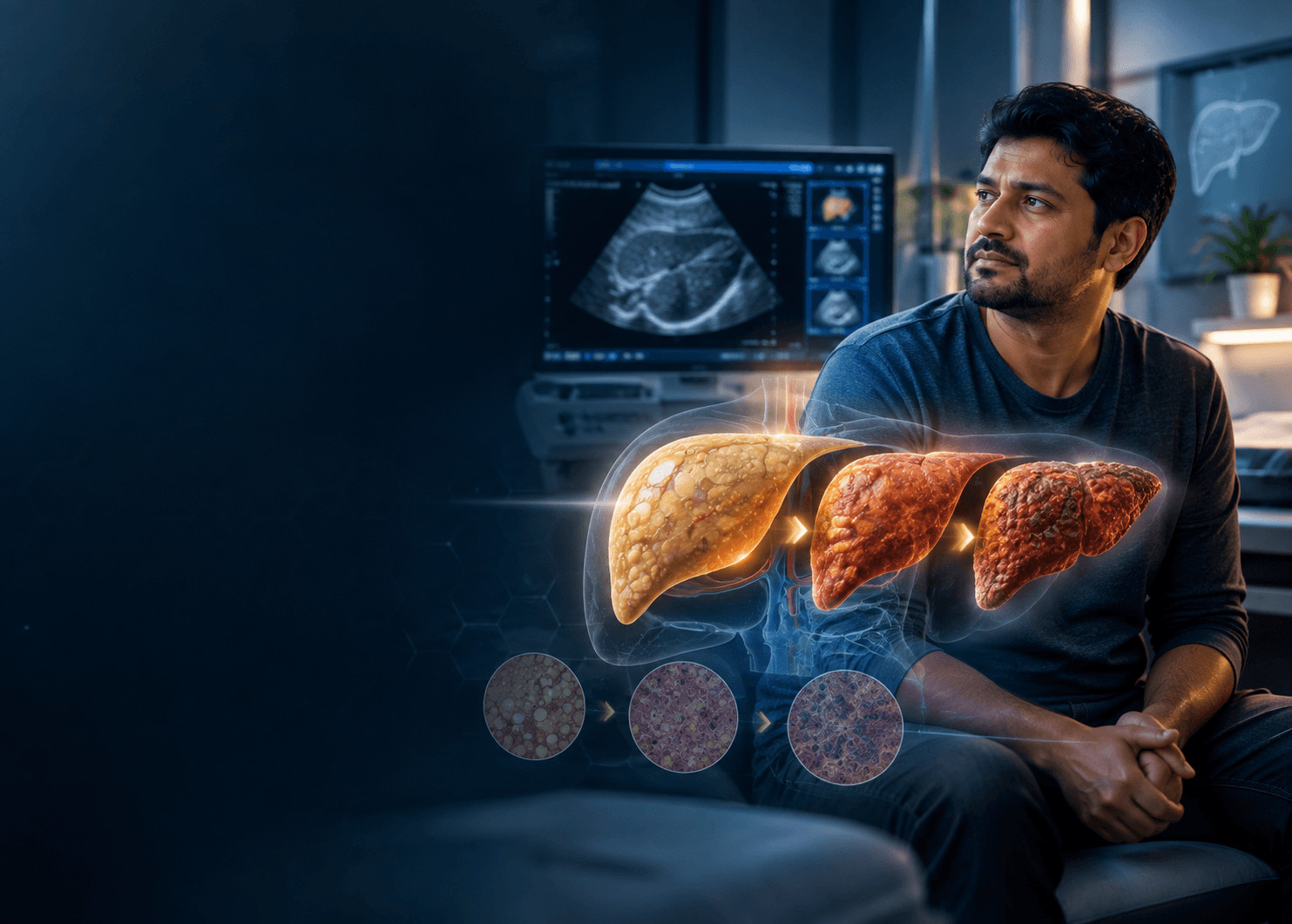
Fatty liver disease is one of the most widespread metabolic health conditions today, yet it often progresses completely unnoticed. Millions of people carry excess fat in their liver cells without experiencing obvious NASH symptoms like persistent fatigue, abdominal heaviness, or unexplained weight changes. When this fat accumulation triggers chronic inflammation and cellular injury, the condition escalates into a far more dangerous state known as Non-Alcoholic Steatohepatitis (NASH).
Dr. Yash Gangadia, Liver Specialist in Ahmedabad at Apex Gastro Hospital, emphasizes that clinical management should focus on early diagnostic evaluation using non-invasive monitoring tools, helping patients identify liver inflammation and manage fibrosis before structural complications develop.
What is NASH?
Understanding the biological distinction between simple fatty liver and progressive liver inflammation is critical for long-term health management.
In clinical practice, fatty liver conditions are categorized into two primary stages:
MASLD (Metabolic Dysfunction-Associated Steatotic Liver Disease): Formerly known as simple non-alcoholic fatty liver (NAFLD), this condition occurs when fat makes up more than 5% of the liver’s weight without causing significant cellular damage or inflammation.
NASH/ MASH (Metabolic Dysfunction-Associated Steatohepatitis): This is the aggressive, inflammatory subtype of MASH fatty liver disease. Fat accumulation causes chronic liver inflammation, swelling, and cellular injury.
As inflammation persists, the liver attempts to heal itself by laying down tough, fibrous tissue. This process, known as liver fibrosis, gradually replaces healthy liver architecture with permanent scar tissue. Without intervention, fibrosis can progress to advanced liver cirrhosis, liver failure, or primary liver cancer (hepatocellular carcinoma).
What Causes NASH and Who Is at Risk?
The biological triggers that cause a simple fatty liver to become inflamed involve complex metabolic interactions. Understanding the specific NASH causes helps doctors identify high-risk individuals before severe tissue damage occurs.
Major Risk Factors & Causes
- Type 2 Diabetes & Insulin Resistance: Elevated blood glucose and impaired insulin signaling drive fat storage directly into liver tissue while triggering inflammatory pathways.
- Obesity & Abdominal Fat: Excess visceral fat releases inflammatory proteins (cytokines) into the portal circulation, stressing liver cells.
- High Cholesterol & Triglycerides: Dyslipidemia causes lipid accumulation within hepatocytes, leading to cellular toxicity (lipotoxicity).
- Metabolic Syndrome: A cluster of conditions—including high blood pressure, elevated blood sugar, excess waist fat, and abnormal cholesterol levels—significantly increases the risk of progressive disease.
- Sedentary Lifestyle & Diets High in Processed Sugars: Low physical activity combined with diets high in refined carbohydrates and fructose accelerates fat synthesis in the liver.
It is important to clarify that NASH and fatty liver conditions occur in individuals who drink little to no alcohol. While avoiding alcohol prevents alcoholic liver injury, abstaining from alcohol alone does not protect against metabolic liver disease driven by insulin resistance and systemic inflammation.
NASH Symptoms: What Should You Look For?
In its early to moderate stages, liver disease is almost entirely silent. Most patients with active liver inflammation report feeling completely healthy.
When subtle NASH symptoms do appear, they are often vague and non-specific:
- Persistent Fatigue: A continuous feeling of tiredness or low physical energy that does not improve with rest.
- Right Upper Abdominal Discomfort: A subtle dull ache, fullness, or feeling of heaviness located under the right rib cage.
Because physical symptoms are rare, diagnosis often begins during routine medical checkups. Key objective findings on diagnostic tests include:
- Elevated Liver Enzymes: Blood tests showing raised Alanine Aminotransferase (ALT) or Aspartate Aminotransferase (AST) levels, indicating active liver cell injury.
- Infiltration on Imaging: Ultrasound or CT scans showing increased echogenicity (“bright liver”), reflecting fat accumulation.
- Associated Metabolic Features: Co-existing medical markers such as impaired fasting glucose, elevated HbA1c, high triglycerides, or a rising Body Mass Index (BMI).
How Is NASH Diagnosed?
Accurately diagnosing MASH fatty liver disease and determining the exact stage of liver fibrosis requires specialized diagnostic tools.
| Diagnostic Method | Clinical Purpose & Utility |
| Comprehensive Liver Blood Panels | Evaluates liver enzyme levels (ALT/AST), bilirubin, protein synthesis, and metabolic markers like lipid profiles and HbA1c. |
| Abdominal Ultrasound | Detects the physical presence of fat in the liver and evaluates general abdominal organ structure. |
| FibroScan (Transient Elastography) | A quick, non-invasive ultrasound technique performed at Apex Gastro Hospital that measures liver stiffness (fibrosis) and fat quantity (CAP score). |
| Advanced Serological Fibrosis Scores | Non-invasive scoring tools (such as FIB-4 or APRI) calculated from routine blood parameters to estimate fibrosis risk. |
| Specialist Consultation | Comprehensive clinical evaluation by a Liver Specialist in Ahmedabad to exclude viral hepatitis, autoimmune conditions, or medication-induced liver damage. |
Can NASH Be Reversed or Treated?
While scar tissue from advanced cirrhosis is difficult to fix, early-stage liver inflammation and mild-to-moderate fibrosis can improve significantly with appropriate medical management.
Dr. Yash Gangadia’s evidence-based NASH treatment in Ahmedabad focuses on controlling metabolic drivers, reducing liver inflammation, and preventing the progression of fibrosis:
- Targeted Weight Management: Achieving a gradual, sustained body weight reduction of 7% to 10% has been clinically proven to reduce liver fat, resolve inflammation, and potentially improve early-stage fibrosis.
- Structured Metabolic Nutrition: Adopting a Mediterranean-style diet high in whole grains, lean proteins, vegetables, and healthy fats while eliminating sugar-sweetened beverages and ultra-processed foods.
- Regular Physical Exercise: Engaging in at least 150 minutes of moderate aerobic and resistance exercise per week improves insulin sensitivity and reduces liver fat independently of weight loss.
- Medical Control of Co-existing Conditions: Optimizing blood sugar control with modern diabetes medications, managing cholesterol levels, and controlling high blood pressure.
- Long-Term Fibrosis Monitoring: Scheduling periodic non-invasive FibroScan evaluations to monitor liver health, assess therapeutic progress, and prevent disease progression.
Why Trust Dr. Yash Gangadia?
Receiving an accurate diagnosis and structured management plan for metabolic liver conditions requires specialized clinical experience.
- Dedicated Hepatology Expertise: Dr. Yash Gangadia is a trained Gastroenterologist and Liver Specialist in Ahmedabad dedicated to managing silent liver diseases using evidence-based medical protocols.
- Advanced In-House Technology: Apex Gastro Hospital features advanced non-invasive diagnostic capabilities, including FibroScan technology for accurate fibrosis assessment without a liver biopsy.
- Comprehensive Care Approach: Treatment plans combine medical therapy, metabolic management, and practical lifestyle modifications to protect long-term liver health.
- Focus on Early Prevention: Clinical management prioritizes early identification of inflammation to stop disease progression before complications arise.
Take Control of Your Liver Health Today
NASH may be a silent condition, but proactive screening gives you the power to protect your liver before serious damage occurs. If you have been diagnosed with a fatty liver or have underlying metabolic risk factors, schedule a clinical evaluation today.
Book your appointment today with Dr. Yash Gangadia at Apex Gastro Hospital, Ahmedabad — your trusted expert in digestive, liver & obesity care.
Call: +91 9408662823 or Book an Appointment Online


